

French Bulldog Puppy Care Guide 2026
Bringing home a French Bulldog puppy is one of life’s greatest joys, but these adorable flat-faced companions come with unique needs that new owners must understand. This French Bulldog Puppy Care Guide 2026 is designed for first-time Frenchie parents and experienced dog owners who want to give their new puppy the best possible start in life.
French Bulldogs aren’t your average dog breed. Their distinctive anatomy, playful personalities, and specific health considerations require specialized care from day one. Getting the basics right early on sets the foundation for a happy, healthy relationship with your four-legged family member.
In this guide, we’ll walk you through choosing the perfect French Bulldog puppy for your lifestyle and preparing your home to welcome your new arrival safely. You’ll also discover the nutrition and feeding strategies that support healthy growth, plus the essential training and socialization techniques that help Frenchies develop into well-behaved companions.
Choosing the Right French Bulldog Puppy

Finding a responsible French Bulldog breeder makes all the difference in your puppy’s future health and happiness. Start by looking for breeders who openly share their dogs’ health testing results. Quality breeders will have their breeding dogs tested for common genetic issues like hip dysplasia, eye problems, and hereditary cataracts through organizations like the Orthopedic Foundation for Animals (OFA) or PennHIP.
A good breeder welcomes visits to their facility and encourages you to meet the puppy’s parents, especially the mother. The breeding environment should be clean, spacious, and well-maintained. Red flags include breeders who won’t let you visit, have multiple litters available year-round, or seem more interested in quick sales than finding good homes.
Ask for references from previous puppy buyers and don’t hesitate to contact them. Reputable breeders often have waiting lists and will interview potential owners to ensure their puppies go to suitable homes. They’ll also provide health guarantees, vaccination records, and ongoing support after you take your puppy home.
Avoid puppy mills and pet stores at all costs. These operations prioritize profit over health and welfare, leading to poorly socialized puppies with potential behavioral and health problems. The slightly higher cost of a well-bred puppy from a responsible breeder pays dividends in reduced veterinary bills and a healthier, better-adjusted companion.
Understanding breed-specific health concerns to watch for
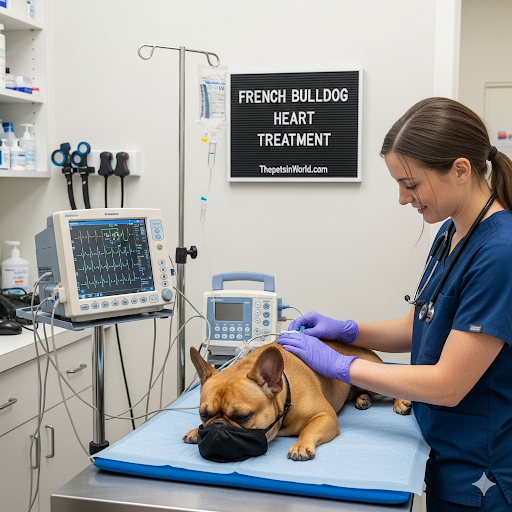
French Bulldogs are prone to several health issues that responsible ownership requires you to understand. Brachycephalic Obstructive Airway Syndrome (BOAS) affects most Frenchies due to their flat faces and shortened airways. Watch for signs like loud breathing, snoring, difficulty exercising, or blue-tinged gums, which indicate breathing problems.
Spinal issues are another major concern, particularly Intervertebral Disc Disease (IVDD) and hemivertebrae. These conditions can cause pain, mobility problems, or even paralysis. Early signs include reluctance to jump, difficulty climbing stairs, or changes in gait.
Allergies frequently affect French Bulldogs, showing up as skin irritation, ear infections, or digestive issues. Food allergies and environmental sensitivities can develop at any age, so monitor your puppy’s reactions to new foods or environments.
Eye problems like cherry eye, corneal ulcers, and juvenile cataracts occur regularly in the breed. Regular eye examinations help catch these issues early when treatment is most effective.
Heat sensitivity poses a serious risk due to their compromised breathing. French Bulldogs can quickly develop heat stroke in warm weather or during exercise. Always provide shade, fresh water, and air conditioning during hot days.
Joint problems including luxating patella (kneecap dislocation) and hip dysplasia can affect mobility and quality of life. Regular veterinary check-ups help identify these issues before they become severe.
Evaluating puppy temperament and socialization levels
A well-socialized French Bulldog puppy should display curiosity, confidence, and friendly behavior toward people. When visiting potential puppies, observe how they interact with littermates, their mother, and unfamiliar people. Healthy puppies should approach you willingly, show interest in toys or treats, and recover quickly from mild startling.
Pay attention to the puppy’s energy level and play style. While individual personalities vary, extremely shy puppies that hide or show excessive fearfulness may have socialization deficits or genetic temperament issues. Conversely, puppies that seem overly aggressive toward littermates or show resource guarding behaviors need careful evaluation.
Test the puppy’s adaptability by introducing mild novel experiences during your visit. A confident puppy will investigate new sounds, surfaces, or gentle handling with curiosity rather than fear. Watch how they respond to being gently restrained or having their paws, ears, and mouth touched – this indicates their tolerance for grooming and veterinary handling.
Ask the breeder about the puppy’s exposure to different experiences, sounds, people, and environments. Good breeders begin socialization early with exposure to household noises, various surfaces, and gentle human handling. Puppies should have met different people of various ages and begun basic handling exercises.
The puppy’s interaction with you personally matters too. Some Frenchies are naturally more outgoing while others are gentle observers. Choose a puppy whose energy level and personality match your lifestyle and experience level. A calm family might prefer a more relaxed puppy, while active owners might enjoy a more spirited companion.
Nutrition and Feeding Guidelines

French Bulldog puppies grow rapidly during their first year, making proper feeding schedules absolutely crucial. Your 8-12 week old puppy needs four meals per day, spaced evenly throughout the day to maintain stable blood sugar levels and support healthy development. Feed them first thing in the morning, midday, early evening, and before bedtime.
Between 3-6 months, reduce to three meals daily. Most Frenchies can transition to twice-daily feeding around 6-12 months of age. Adult portions typically range from 1-1.5 cups of high-quality dry food daily, but this varies based on your puppy’s size, activity level, and metabolism.
| Age | Meals Per Day | Daily Amount | Meal Timing |
|---|---|---|---|
| 8-12 weeks | 4 | 1/2 – 3/4 cup | 7am, 12pm, 5pm, 9pm |
| 3-6 months | 3 | 3/4 – 1 cup | 7am, 1pm, 6pm |
| 6-12 months | 2-3 | 1 – 1.25 cups | 7am, 6pm |
Monitor your puppy’s body condition weekly. You should feel their ribs easily without excess fat covering, and they should have a visible waist when viewed from above. Adjust portions based on growth rate and body condition rather than strictly following package recommendations.
Choosing high-quality puppy food for optimal growth
The foundation of your French Bulldog’s health starts with quality nutrition. Look for puppy formulas that list real meat as the first ingredient – chicken, lamb, fish, or beef work well. Avoid foods with excessive fillers like corn, wheat, or by-product meals as primary ingredients.
French Bulldogs benefit from foods with moderate protein levels (22-28%) and fat content around 12-16%. Their brachycephalic (flat-faced) structure makes them prone to weight gain, so avoid high-calorie formulas unless your vet recommends otherwise.
Key ingredients to seek out:
- DHA for brain and eye development
- Prebiotics and probiotics for digestive health
- Glucosamine and chondroitin for joint support
- Natural antioxidants like vitamin E and C
Popular brands that work well for Frenchie puppies include Royal Canin French Bulldog Puppy, Hill’s Science Diet Puppy, and Blue Buffalo Life Protection Puppy. Always transition foods gradually over 7-10 days, mixing increasing amounts of new food with decreasing amounts of the old formula.
Managing food allergies and digestive sensitivities
French Bulldogs have notoriously sensitive stomachs, and food allergies affect roughly 10% of the breed. Common allergens include chicken, beef, dairy, wheat, and soy. Watch for symptoms like chronic diarrhea, vomiting, excessive gas, itchy skin, or ear infections.
If you suspect food allergies, work with your veterinarian to conduct an elimination diet. This involves feeding a limited ingredient diet with novel proteins (like duck, venison, or fish) for 8-12 weeks while monitoring symptoms.
Signs your puppy might have food sensitivities:
- Loose stools or frequent diarrhea
- Excessive flatulence (even for a Frenchie!)
- Skin irritation or hot spots
- Chronic ear infections
- Vomiting after meals
For sensitive stomachs, consider foods with easily digestible ingredients like rice, sweet potato, and single protein sources. Probiotics can help establish healthy gut bacteria, while smaller, more frequent meals reduce digestive stress.
Preparing Your Home for Your New Frenchie
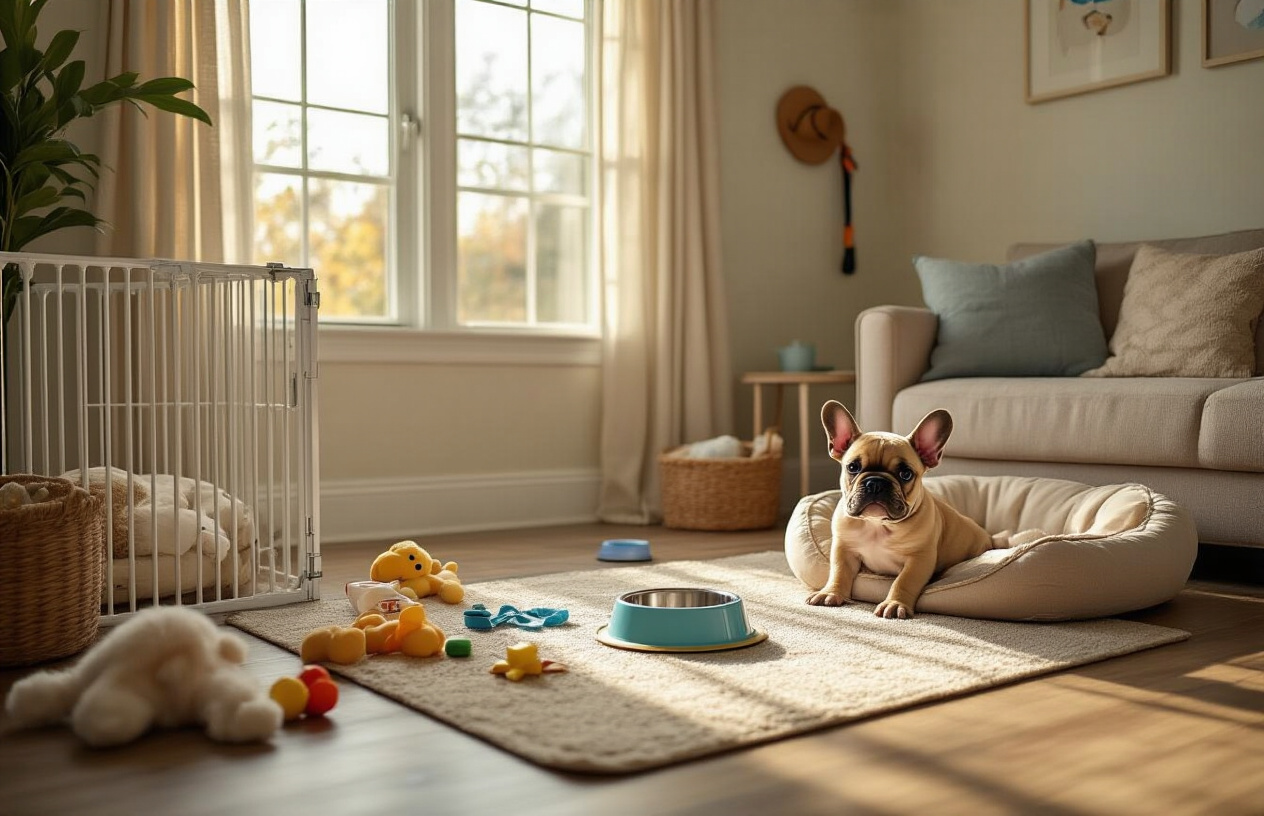
French Bulldog puppies are curious creatures with a talent for finding trouble in the most unexpected places. Start by getting down on your hands and knees to see your home from their perspective. Those electrical cords dangling near the floor? They look like perfect chew toys. Small objects like coins, hair ties, or children’s toys can become choking hazards or cause intestinal blockages.
Install safety gates to block access to stairs, as French Bulldogs’ short legs and heavy heads make them prone to tumbles. Secure cabinets containing cleaning supplies, medications, or chemicals with childproof latches. Remove or elevate toxic plants like lilies, azaleas, and philodendrons.
Pay special attention to furniture with sharp corners or unstable items that could topple over. French Bulldog puppies are surprisingly agile jumpers despite their compact build. Cover or remove breakable decorations within jumping range, and ensure heavy items are securely anchored.
Create designated “safe zones” using baby gates or playpens where your puppy can explore freely without supervision. These areas should be completely hazard-free and include water, toys, and a comfortable resting spot.
Setting Up Safe Sleeping and Feeding Areas
Your French Bulldog puppy needs distinct spaces for eating and sleeping that promote security and routine. Choose a quiet corner for the sleeping area, away from high-traffic zones but not completely isolated. A properly sized crate works perfectly as both a bed and training tool – it should be large enough for your puppy to stand, turn around, and lie down comfortably, but not so large that they can eliminate in one corner.
Place the crate on a non-slip surface and include a washable blanket or crate pad. Avoid placing beds near heating vents, windows with direct sunlight, or air conditioning units, as French Bulldogs are sensitive to temperature extremes.
For feeding areas, select a spot with easy-to-clean flooring like tile or vinyl. Use elevated feeders designed for flat-faced breeds to reduce neck strain during meals. Stainless steel or ceramic bowls are preferable to plastic, which can harbor bacteria and cause chin acne in some dogs.
Keep food and water bowls separated by at least a few feet to prevent contamination. Establish a consistent feeding schedule with designated meal times, removing bowls between meals to prevent overindulgence and maintain structure.
Selecting Appropriate Toys and Enrichment Items
French Bulldog puppies need mental stimulation to prevent destructive behaviors, but their unique physical characteristics require careful toy selection. Avoid toys with small parts that could break off and create choking hazards. Rope toys should be supervised closely, as determined chewers can unravel and swallow dangerous strings.
Puzzle toys and treat-dispensing balls provide excellent mental enrichment while slowing down fast eaters. Look for toys specifically designed for small to medium breeds with strong jaws. KONG toys filled with puppy-safe treats or frozen peanut butter offer hours of entertainment.
Soft plush toys can provide comfort, but inspect them regularly for tears or loose stuffing. Replace damaged toys immediately. Avoid rawhide chews, which can splinter and cause blockages. Instead, offer bully sticks, dental chews, or frozen carrots for teething relief.
Rotate toys weekly to maintain interest and prevent boredom. Interactive toys that require problem-solving keep sharp minds engaged and tire them mentally, which is just as important as physical exercise for this intelligent breed.
Temperature Control Considerations for Flat-faced Breeds
French Bulldogs’ shortened airways make temperature regulation challenging, requiring special attention to your home’s climate. Maintain indoor temperatures between 68-72°F year-round, using fans or air conditioning during warmer months. Even mild heat can cause breathing difficulties for these brachycephalic puppies.
Install multiple water stations throughout your home, especially during summer months. Consider adding a humidifier during winter when dry air can irritate already compromised breathing passages. Avoid placing your puppy’s sleeping area near heat sources like fireplaces, radiators, or sunny windows.
Create cool zones with tile flooring where your puppy can lie to regulate body temperature. Cooling mats designed for dogs provide relief during hot weather, but avoid ice packs or extremely cold surfaces that could cause shock.
During cold weather, provide warm bedding and consider a sweater for outdoor excursions, as French Bulldogs lose body heat quickly through their thin coats. Monitor for signs of overheating like excessive panting, drooling, or lethargy, and signs of being too cold like shivering or seeking warm spots constantly.
Keep emergency contact information for your veterinarian easily accessible, as temperature-related distress can escalate quickly in flat-faced breeds and may require immediate professional intervention.
Health Care and Veterinary Needs

Your French Bulldog puppy needs a carefully planned vaccination schedule starting as early as 6-8 weeks old. The core vaccines include DHPP (distemper, hepatitis, parvovirus, and parainfluenza), which requires multiple boosters every 3-4 weeks until 16 weeks of age. Rabies vaccination typically happens between 12-16 weeks, depending on local laws.
Many veterinarians recommend additional vaccines for French Bulldogs, including Bordetella (kennel cough) and Lyme disease, especially if your puppy will attend daycare or frequent dog parks. Keep detailed records of all vaccinations, as boarding facilities and training classes require proof of current immunizations.
Never take your puppy to public areas until they’re fully vaccinated – their immune systems are still developing. This means waiting about two weeks after their final puppy shots before venturing to dog parks or busy sidewalks.
Breathing and respiratory health monitoring
French Bulldogs are brachycephalic, meaning their flat faces create unique breathing challenges that require constant attention. Watch for signs of respiratory distress like excessive panting, blue-tinged gums, or labored breathing during mild activity. These symptoms can indicate serious problems requiring immediate veterinary care.
Heat sensitivity is a major concern for Frenchies. Even moderate temperatures can cause breathing difficulties, so limit outdoor activities during hot weather and always provide shade and water. Air conditioning isn’t a luxury for these dogs – it’s often necessary for their health.
Monitor your puppy’s breathing patterns during rest and play. Normal breathing should be quiet and effortless. Loud snoring, wheezing, or gasping sounds during normal activity warrant veterinary evaluation. Some breathing noise is normal for the breed, but sudden changes or worsening sounds need professional assessment.
Preventing common French Bulldog health issues
Hip dysplasia, intervertebral disc disease, and allergies frequently affect French Bulldogs. Maintain a healthy weight to reduce stress on joints and spine – even a few extra pounds can cause significant problems for their compact frames. Regular exercise helps, but avoid high-impact activities like jumping from furniture or excessive stair climbing.
Skin fold dermatitis occurs when moisture and bacteria accumulate in facial wrinkles. Clean these folds daily with unscented baby wipes, then thoroughly dry them to prevent infections. Cherry eye, where the third eyelid gland prolapses, is another common issue requiring surgical correction.
Food allergies often manifest as skin problems or digestive issues. Introduce new foods gradually and watch for reactions like itching, ear infections, or gastrointestinal upset. Many French Bulldogs do well on limited ingredient diets with novel protein sources.
Establishing relationships with specialized veterinarians
Find a veterinarian experienced with brachycephalic breeds before bringing your puppy home. These specialists understand the unique anesthesia risks, breathing complications, and breed-specific health concerns that general practitioners might overlook.
Emergency veterinary clinics should also be on your contact list. French Bulldogs can develop breathing emergencies quickly, especially during hot weather or stressful situations. Know the location and phone number of your nearest 24-hour animal hospital.
Consider establishing relationships with veterinary specialists like ophthalmologists and orthopedic surgeons early. Many French Bulldog health issues require specialized treatment, and having these connections before problems arise can save precious time during emergencies. Ask your primary veterinarian for referrals to specialists they trust and work with regularly.
Training and Socialization Strategies
French Bulldogs can be stubborn when it comes to potty training, but consistency and patience make all the difference. Start with a strict schedule – take your Frenchie outside first thing in the morning, after meals, after naps, and before bedtime. Their small bladders mean more frequent trips, especially during the first few months.
Crate training works wonders for Frenchies since they naturally avoid soiling their sleeping area. Choose a crate just big enough for your puppy to stand and turn around – too much space gives them room to create a bathroom corner. When accidents happen indoors, clean the area thoroughly with an enzyme cleaner to eliminate odors that might attract repeat incidents.
Watch for signs like sniffing, circling, or sudden restlessness. These behaviors signal it’s time for a quick trip outside. Always praise and reward successful outdoor potty breaks immediately – timing matters more than the size of the treat.
Bell training can speed up the process. Hang bells by your door and ring them every time you take your puppy out. Soon, they’ll learn to ring the bells when they need to go. Remember that French Bulldogs mature slower than some breeds, so full housebreaking might take 4-6 months rather than the typical 3-4 months.
Basic obedience commands and positive reinforcement
French Bulldogs respond beautifully to positive reinforcement, but they’re also independent thinkers who get bored with repetitive training. Keep sessions short – 5 to 10 minutes max – and make them fun with high-value treats and plenty of enthusiasm.
Start with these essential commands:
- Sit: Hold a treat above their nose, slowly lift it over their head until they naturally sit, then say “sit” and reward
- Stay: Begin with your hand up in a “stop” gesture, take one step back, wait 2-3 seconds, then reward
- Come: Practice in a safe, enclosed area with excited praise and treats when they respond
- Down: From a sitting position, lower a treat to the ground between their paws
French Bulldogs can be food motivated, but they also love praise and play. Mix up your rewards to keep training interesting. Some Frenchies prefer soft treats, while others work harder for squeaky toys or belly rubs.
Timing your rewards matters – give praise and treats within 3 seconds of the correct behavior. If your Frenchie seems distracted or tired, end the session on a positive note rather than pushing through. Their attention spans are shorter than many breeds, but they remember what they learn when training stays positive and consistent.
Early socialization with people and other pets
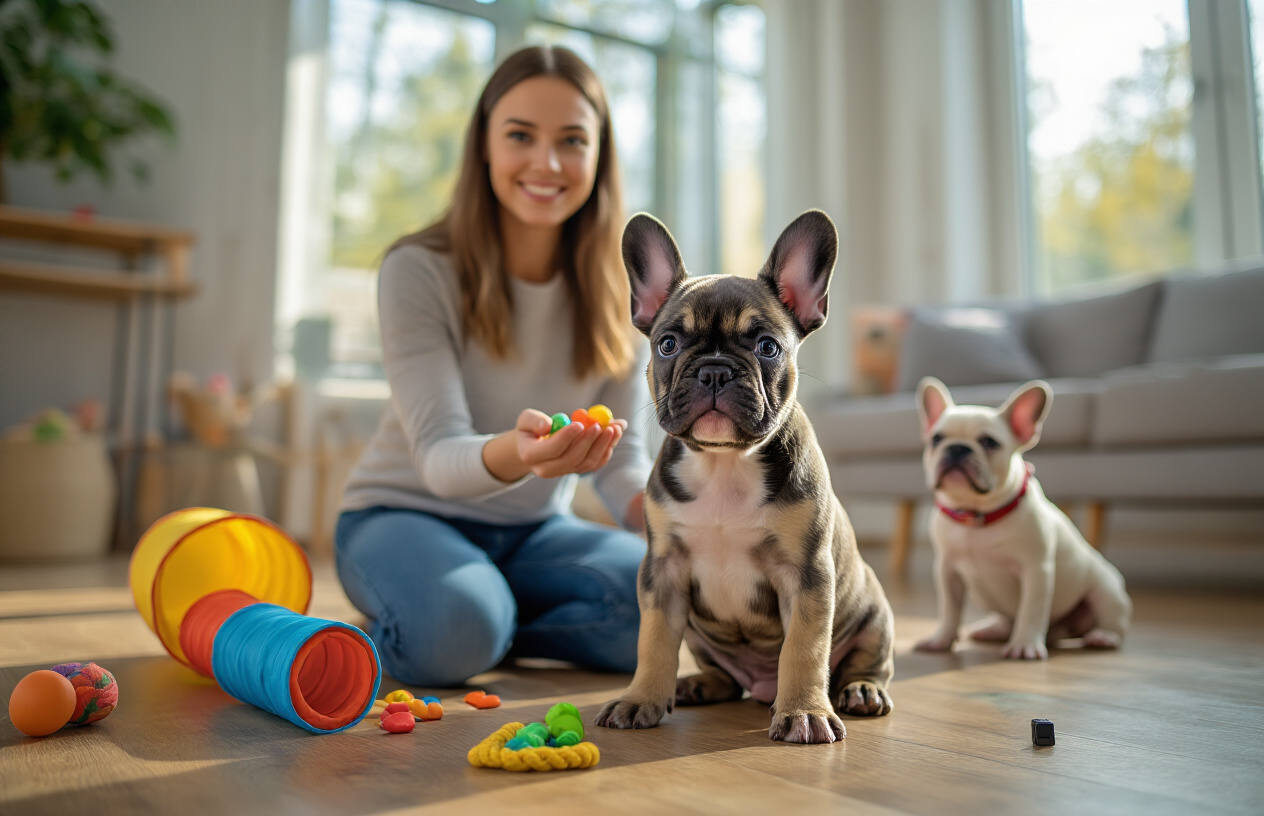
The critical socialization window for French Bulldogs closes around 16 weeks, making early exposure absolutely crucial for developing a well-adjusted adult dog. Start introducing your puppy to different sights, sounds, people, and experiences as soon as your vet gives the all-clear.
Invite friends of different ages over to meet your puppy. Ask visitors to let your Frenchie approach them rather than overwhelming the puppy with attention. Children should sit on the floor and let the puppy come to them, creating positive associations with smaller humans who move differently than adults.
Dog parks aren’t safe until vaccinations are complete, but puppy socialization classes offer controlled environments where your Frenchie can meet other vaccinated puppies. These classes teach bite inhibition and appropriate play behavior that’s hard to learn any other way.
Expose your puppy to everyday sounds like vacuum cleaners, doorbells, car engines, and street noise. Start at low volumes and gradually increase as your puppy shows comfort. Carry your puppy to busy areas like shopping centers (before full vaccination) so they can observe people, strollers, and urban activity from a safe distance.
Other pets in your household need gradual introductions too. Let them sniff each other through baby gates first, then supervise short interactions with plenty of positive reinforcement when everyone stays calm. Never force interactions – let relationships develop naturally at each animal’s pace.
Grooming and Daily Care Routines
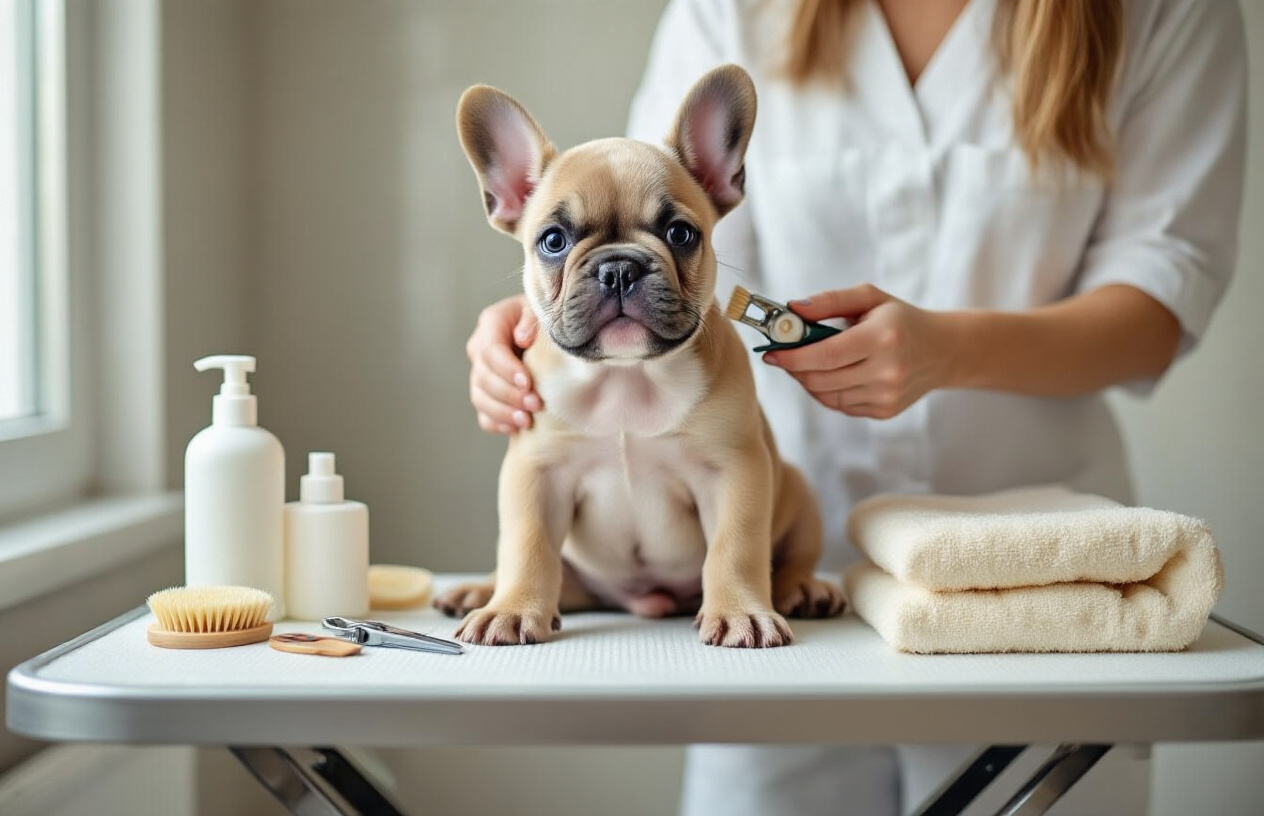
French Bulldogs’ adorable facial wrinkles need daily attention to prevent bacterial growth and skin infections. Clean each wrinkle gently using unscented baby wipes or a damp cloth, working from the outside toward the nose. After cleaning, thoroughly dry each fold with a clean, soft towel. Moisture trapped in wrinkles creates the perfect breeding ground for bacteria and yeast.
Pay special attention to the deep wrinkle above your Frenchie’s nose, called the nose rope. This area collects the most debris and requires extra care. Some owners apply a thin layer of petroleum jelly or specialized wrinkle balm after cleaning to create a protective barrier.
Check for signs of irritation like redness, swelling, or foul odors during your daily cleaning routine. These symptoms often indicate an infection that needs veterinary attention. Healthy wrinkles should appear pink and smell neutral.
Nail trimming and dental care basics
Trim your French Bulldog’s nails every 2-3 weeks using dog-specific nail clippers. Cut only the white tip, avoiding the pink quick inside the nail that contains blood vessels and nerves. If you accidentally cut the quick, apply styptic powder to stop bleeding.
Dental care prevents the periodontal disease that affects 80% of dogs by age three. Brush your Frenchie’s teeth 2-3 times weekly using dog toothpaste and a soft-bristled brush. Start slowly, letting your puppy lick the toothpaste from your finger before introducing the brush.
Dental chews, raw bones, and specialized dental toys help reduce plaque buildup between brushings. Avoid cooked bones, which can splinter and cause choking or internal injuries.
Coat brushing and shedding management
French Bulldogs shed year-round, with heavier shedding periods in spring and fall. Brush your Frenchie 2-3 times weekly using a rubber grooming mitt or short-bristled brush to remove loose hair and distribute natural oils.
During shedding seasons, daily brushing becomes essential. A de-shedding tool like the FURminator can effectively remove undercoat without damaging the topcoat. Always brush in the direction of hair growth, using gentle strokes.
Regular brushing reduces allergens in your home and prevents matting, though French Bulldogs rarely develop serious mats due to their short coat. Bathing should occur monthly or when your dog gets dirty, using a gentle, dog-specific shampoo.
Ear cleaning and infection prevention
French Bulldogs’ bat ears collect dirt, wax, and debris that can lead to infections. Clean ears weekly using a veterinarian-approved ear cleaning solution and cotton balls. Never use cotton swabs, which can push debris deeper into the ear canal.
Squeeze cleaning solution into the ear, massage the base gently, then let your dog shake their head. Wipe away loosened debris with cotton balls. Healthy ears appear pink with minimal odor and light brown wax.
Watch for infection signs including dark, smelly discharge, excessive scratching, head shaking, or red, inflamed ear canals. Ear infections require immediate veterinary treatment to prevent hearing damage. Keep ears dry after baths and swimming to prevent moisture-related infections.
Final Words
Raising a French Bulldog puppy takes planning, patience, and lots of love. From puppy-proofing your home and setting up feeding schedules to establishing training routines and regular vet visits, every step matters in giving your Frenchie the best start in life. Remember that these adorable pups have unique needs – they don’t require intense exercise like other breeds, but they do need consistent socialization and careful attention to their breathing and temperature.
Your French Bulldog will reward your dedication with years of companionship, laughter, and unconditional love. Start with the basics covered in this guide, stay consistent with your routines, and don’t hesitate to reach out to your vet or a professional trainer when you need help. Every Frenchie is different, so pay attention to what works best for your pup and adjust as needed. With the right care and attention, you’ll have a happy, healthy companion who will steal your heart and probably your favorite spot on the couch.